Critical Themes in the History of Eugenics
“Eugenic States” explores eugenics and sterilization in the United States through stories, images, and data visualization. From here, you can follow a series of contextual pathways that examine this history from thematic entrypoints: Courts and the Law; Disability, Medicine, and Expertise; Families; Race and Immigration; Sexuality, Reproduction and the Body; and the State and Institutions. As you progress, consider how eugenics intersected with other social and health dimensions of society in the U.S.
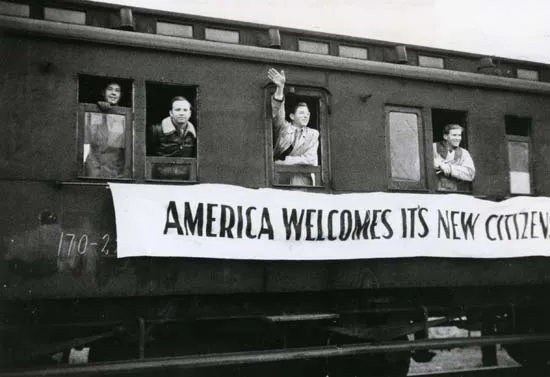
For example, racism played an integral role in the development of eugenic ideas and patterns and immigrants were disproportionately sterilized in several states, including California and Michigan. Xenophobia and eugenics are closely linked. All 32 states with sterilization laws framed the legislation in terms of intellectual, physical, and mental disability and conceptions of disability undergirded and determined who was “fit” and “unfit” to reproduce. Furthermore, although today's categories and identities of the LGBTQIA+ community do not map directly onto the social identities of this time period, evidence suggests that non-normative sexuality was pathologized and was a common reason for institutionalization and sterilization. This findings illustrate that while sterilization was a form of reproductive control, it could also act as a form of punitive sexual control. Sterilization laws were just as much about determining who should be able to reproduce as it was about regulating families and defining the “ideal” family structure, including the roles that each member was expected to fulfill.
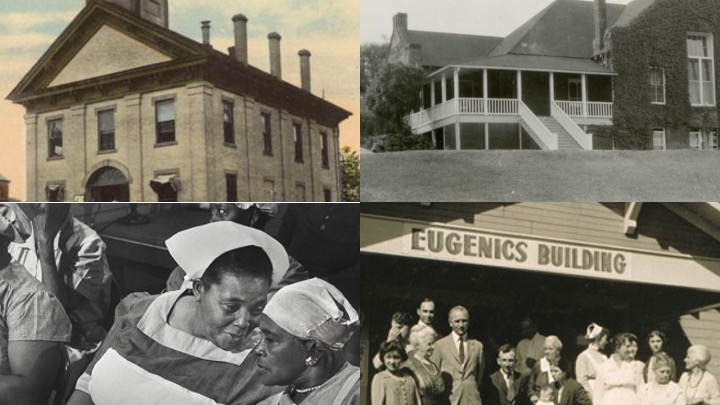
Most sterilizations occurred in state institutions like mental health hospitals, which segregated people from mainstream society. Each institution followed its own logic and routines, usually with little legal or social accountability. Sterilizations were authorized by state laws that politicians and reformers saw as tools for improving the state's health and well-being. By the 1960s individuals who rejected the infringement on their bodily autonomy contested these laws and new tenets of bioethics questioned the practice overall.
This page has paths:
- Introduction Jacqueline D. Wernimont