The “Right” to Procreate
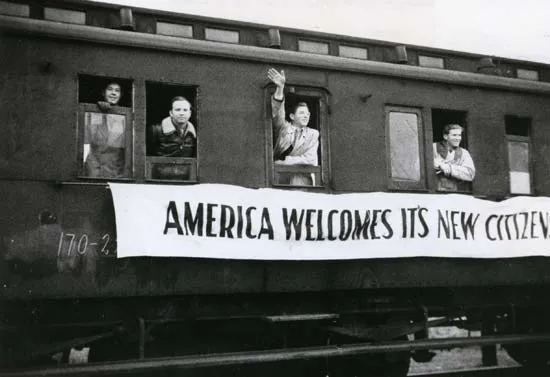
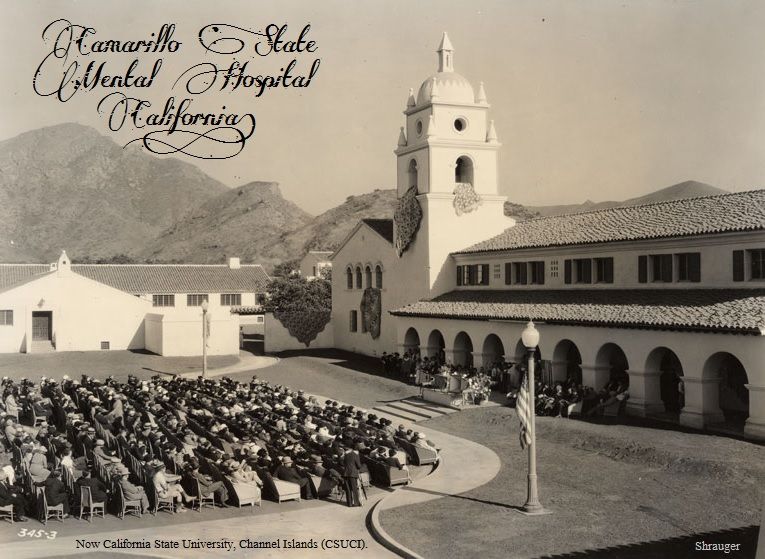
In 1935, one California newspaper article praised local sterilization policies that could determine who had the “right” to have children. As the author, Chapin Hall, argued, sterilization was a “protective measures involving no physical prerogatives other than a relinquishment of the doubtful ‘right’ to procreate a species of subnormal humanity.”[1] This view, that only certain people had the right to reproduce, disproportionately deemed people of color, immigrants, impoverished people, so-called “sexual deviants” (those that we would often consider part of the LGBTQIA+ community today), and people with disabilities as unfit. This conception of the “right to procreate” often mirrored criticism against these same groups as being unworthy or ill-fitted for U.S. citizenship. This article in particular notes:
While California leads every other State in population increase only 69 per cent of this increase is produced by native whites, a considerable part of the remainder being an undesirable residue from other States and countries. … In spite of population increase the only groups that are holding their own in California by birth rate are the Mexicans and a few of the minor racial groups.What does the author mean by “native whites,” and why are Mexicans left out of this category? The article distinguishes between “racial groups” and “native whites,” dividing these populations and promoting white supremacist ideology.
This kind of view was not exclusive to eugenic sterilization and justified other human rights abuses that put the health and wellbeing of people of color at risk. In 1917, for example, the Iowa State Board of Health raised alarm at an outbreak of typhus at Fort Madison. Mexican and Mexican American laborers working on the railway became a scapegoat to blame for the spread of the disease. The chief surgeon of the Atchison, Topeka, and Santa Fe Railway, Dr. J.P. Kaster, created a delousing rail car through a series of connected railcars. For him, and the members of the Iowa State Board of Health who recommended this method, the carriers of the disease were undoubtedly unnamed Mexican laborers working on the rail. Kaster justified invasive and harmful public health measures through this reasoning. To supposedly kill lice and decontaminate potentially infected items, Mexican railway workers had their bunks sprayed with kerosene, had their clothes sterilized in ovens, and were required to take kerosene baths.
We know about this delousing process through a report published by an epidemiologist at the Iowa State Board of Health, Mark F. Boyd. The five-page document praised the railcar delousing station and encouraged its implementation in other railway systems. Boyd did not discuss the dangers kerosene baths posed, or the long-term effects of being exposed to its fumes. His account dismissed this hazard and ignored any potential for damage, noting that “Most [Mexicans] seemed glad of an opportunity to take a bath, despite the dose of kerosene. After the spraying of the bunk cars all the Mexicans were warned to be careful with fire.” The health and safety of these workers did not matter. Throughout the document, Boyd emphasized the unhygienic practices of Mexican laborers, dehumanizing and disparaging workers based on racist assumptions about them.
Keep in mind, Boyd distanced any association between “Americans” (or, as Hall would argue, “native whites”) and these Mexican laborers. In so doing, Boyd labeled these workers as incompatible for American citizenship and a threat to the general public. The kerosene baths were motivated by racist perceptions of the connection between health and race, and public health measures that caused harm were justified through the idea that this experience was somehow serving some benefit to those subjected to these practices.
In the same way, eugenicists thought of sterilization as a protective measure to promote the procreation of a “superior” white race. Those outside of this categorization were subnormal, unintelligent, dirty, inclined toward disease, and a danger to the American public. Citizenship status did not provide any protection, and the option to have children was a “privilege” few were qualified to claim.
[1] Chapin Hall, “New Sterilization Bill Hailed as Best of Kind,” Los Angeles Times (31 March 1935).
This page has paths:
- Race and Immigration Gianna May Sanchez
- California Jacqueline D. Wernimont
- Iowa Jacqueline D. Wernimont